
Your fence does real work—keeps kids and dogs in, keeps wildlife out, marks property lines, creates privacy, and (when it’s not leaning or falling apart) looks good doing it.
A Plus Help handles fence installation and repair throughout Appleton, Neenah, Menasha, and the Fox Valley. We’re talking properly set posts that don’t shift every spring, gates that swing smoothly and latch reliably, and fence panels that stay level instead of developing that “wave” look after one winter.
Whether you need a new privacy fence, decorative picket fence, chain link around your yard, split rail for acreage, or repairs to the fence that’s currently losing its fight with gravity—we build and fix it right.
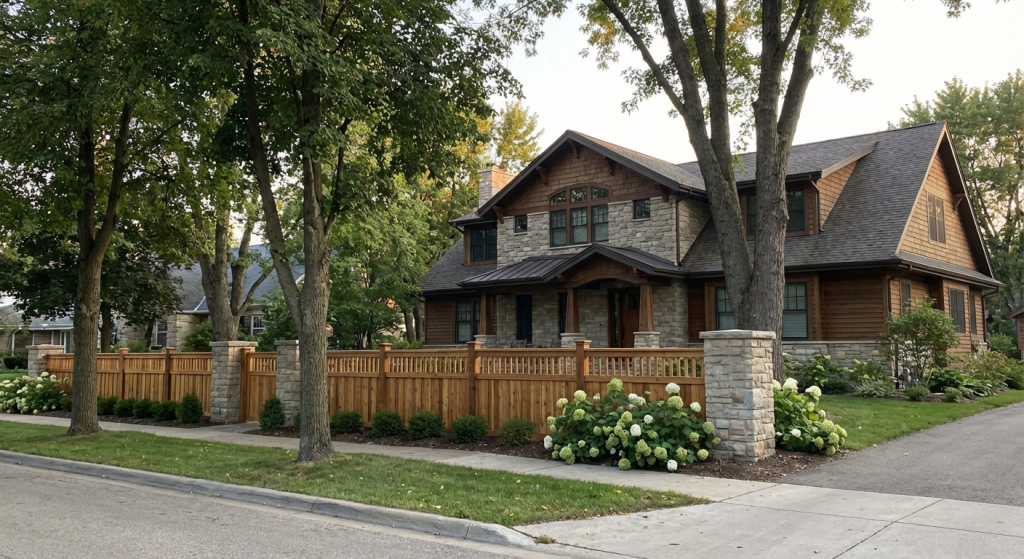
New fence installation means setting posts deep enough to survive frost heave, building panels that stay square and level, installing gates that function for years (not months), and creating the boundary or privacy you actually need.
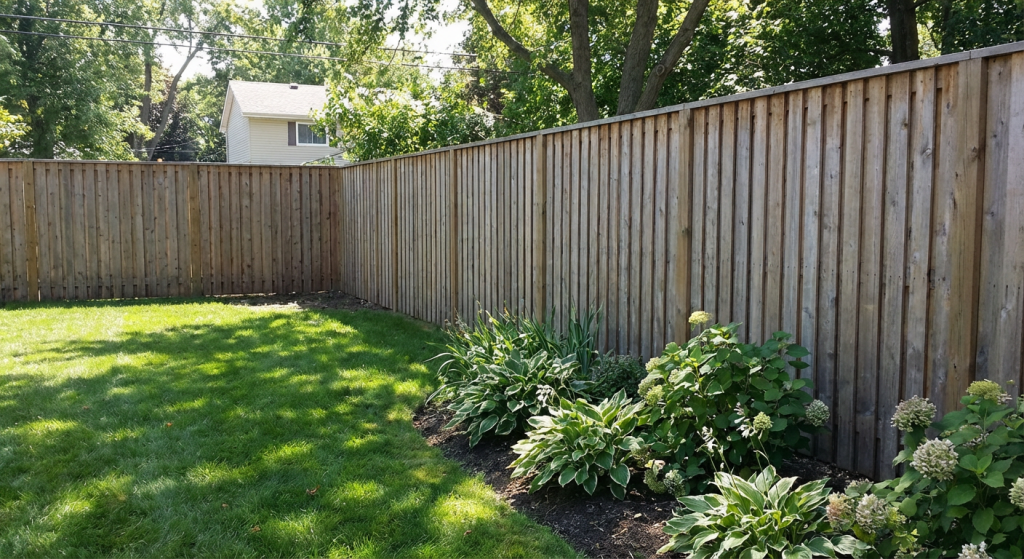
Wood or vinyl panels, typically 6′ tall, full coverage for backyard privacy. Popular for blocking neighbor views, containing dogs, creating outdoor rooms. We build with quality boards (not the thin stuff that warps immediately), proper spacing, and rot-resistant lumber for posts and rails.
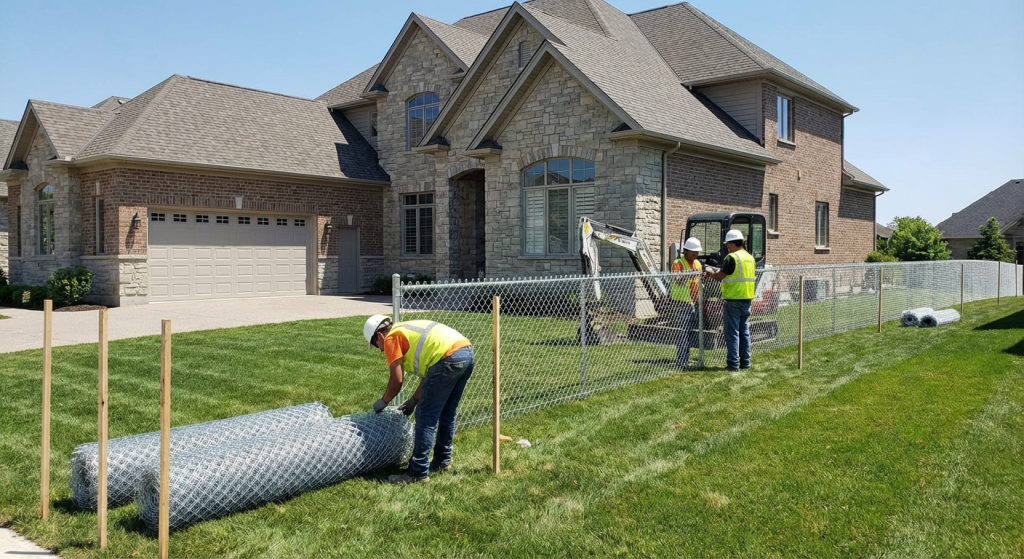
Galvanized or vinyl-coated chain link, 4-6′ tall, durable and economical for large areas. Not beautiful, but functional and low-maintenance. Good for dog containment, property boundaries, security. We install with proper tension and tight corners that don’t sag.
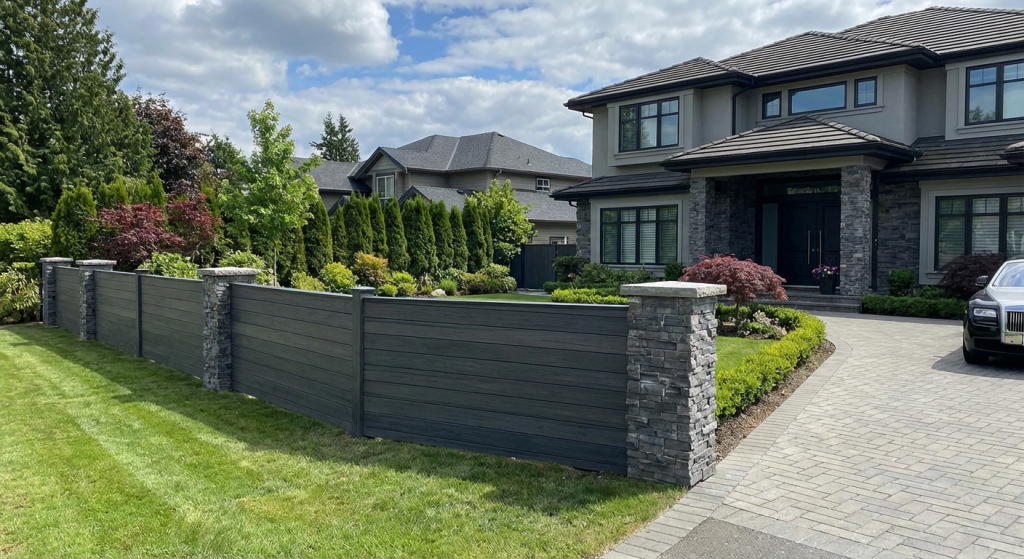
Trex or similar composite materials, looks like wood without rot/maintenance. Higher upfront cost, minimal maintenance (no staining/painting), lasts 25+ years. Good choice if you hate maintenance.
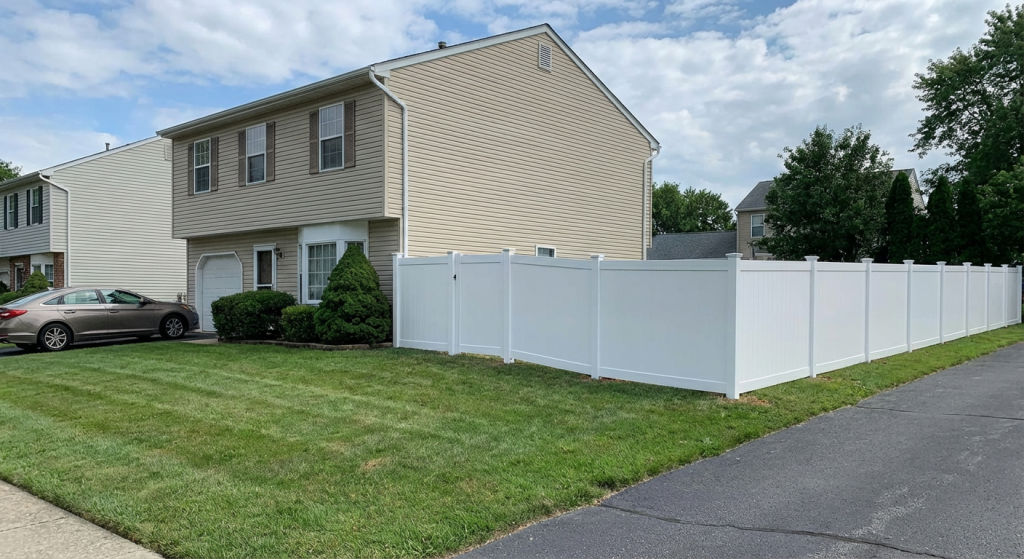
PVC privacy or picket fences, white or tan, no painting/staining required. Withstands Wisconsin weather without rotting. More expensive than wood initially, cheaper over 20 years because zero maintenance.
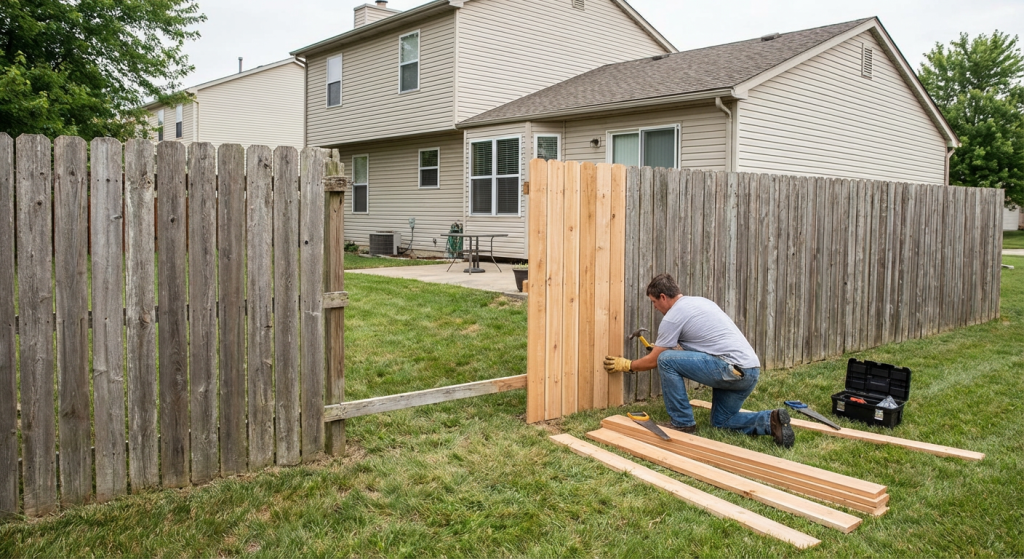
Most fence problems are fixable without replacing the entire fence. We repair damaged sections, straighten leaning posts, replace rotted boards, fix gates, and extend fence life by years.
Common fence repairs:
Leaning or loose posts
Rotted posts
Broken or rotted boards
Sagging gates
Loose or broken rails
Missing or damaged hardware
Storm damage
Chain link repairs
Partial fence replacement
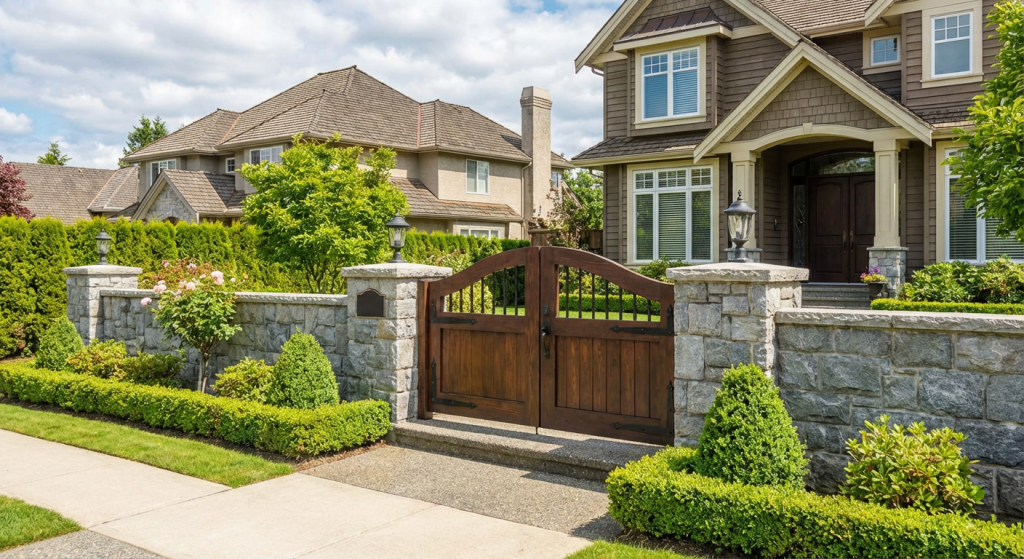
Gates are the hardest-working part of any fence—they swing, latch, take impacts, and get slammed by kids/wind/you when you’re carrying groceries. They need proper construction and quality hardware.
New gate installation:
Custom-sized
Frame construction
Hardware
Clearance
Double gates
Gate repairs:
Sagging gates
Latch problems
Hinge issues
Dragging gates
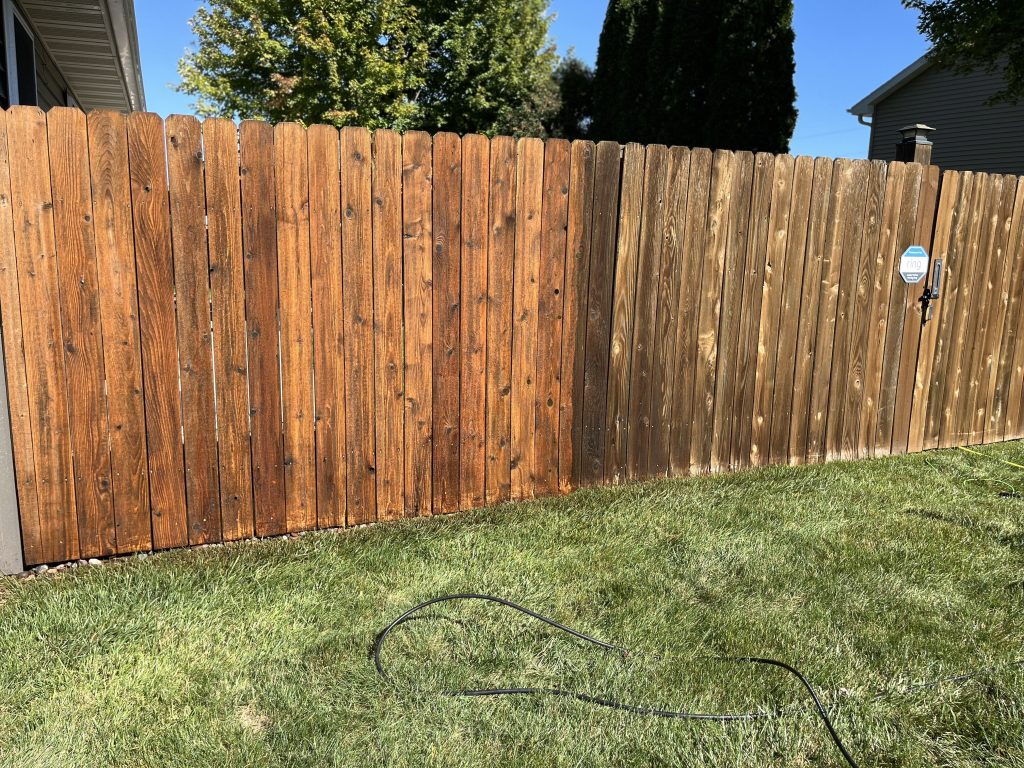
Wood fences look great when new—then Wisconsin weather turns them gray, dry, and splintered. Staining protects wood and maintains appearance.
Stain types:
Semi-transparent
Solid stain
Clear sealers
Privacy fences create outdoor spaces where you can relax without neighbor views. Security fences keep kids and pets safely contained and deter trespassers. Good fences literally define your boundaries.
Fences add 50-75% of installation cost to home value when selling. Front yard picket fences boost curb appeal. Backyard privacy fences are selling points for buyers with dogs or kids.
Functioning fences prevent your dog from running into traffic, keep wildlife out of gardens, and stop erosion on slopes. They work quietly until they don’t—then problems escalate quickly.
Fence repair costs $200-800 for typical fixes. Full fence replacement costs $3,000-8,000. Repairing when problems are small saves thousands.
We visit your property to measure the fence line, discuss fence type and height preferences, and identify any obstacles or challenges (slopes, corners, gates needed). We review property lines (you'll need survey or plat map for accuracy) and check for underground utilities. You get a detailed written estimate with material options and timeline.
We handle permit applications if your municipality requires them (most don't for residential fences under 6', but some do). We call Diggers Hotline to mark underground utilities (electric, gas, water, cable, phone) before we dig any post holes. This step prevents expensive accidents and service interruptions.
We mark exact fence line with stakes and string, showing you final layout before we dig anything. We clear vegetation, rocks, or debris from fence line. For slopes or uneven terrain, we plan step-downs or grade-following techniques. We finalize gate locations with you before installation begins.
We dig post holes 30-36" deep using power auger (hand-digging for tight spots or near obstacles). Post spacing depends on fence type—typically 6-8' apart for privacy/picket, 10' for chain link. We set posts in concrete for stability, level and brace each post, and let concrete cure 24-48 hours before continuing. This is the foundation—we don't rush it.
We install horizontal rails between posts (or top rail for chain link), checking level constantly. For wood fences, we attach fence boards or panels, maintaining consistent spacing and height. For chain link, we stretch fabric tight and secure to posts and rails. We ensure everything stays square, level, and properly aligned. We build or install gates with heavy-duty hinges and quality latches. Gates get diagonal bracing and extra reinforcement. We adjust gate swing and latch operation until perfect—gates should swing smoothly and latch easily every time.
We add post caps, trim any uneven board tops, and apply stain or sealant if requested. We clean up the site completely—backfill post holes, haul away debris, rake disturbed ground. We do a final walkthrough with you to ensure you're satisfied before we leave.

Wisconsin frost line is 48″ deep, but posts set 30-36″ deep with proper concrete are stable. We don’t cut corners with shallow post holes that shift every spring thaw. Cheap fence installers dig 18-24″ holes and wonder why fences lean after one winter.
We use rot-resistant lumber (cedar or pressure-treated), heavy-duty hardware (not bargain bin hinges), and proper fasteners (galvanized or coated screws, not nails that pop out). Material quality determines whether your fence lasts 15 years or 30 years.
Fences follow terrain but shouldn’t look drunk. We constantly check level and maintain straight lines. We step down on slopes instead of following ground (which looks terrible). We ensure gates hang square and latch properly from day one.
Gates need diagonal bracing, heavy-duty hinges, and solid frames. We build gates that function for years, not months. Sagging gates are embarrassing—we don’t build them.
General contractor license, liability insurance, workers’ compensation. Fence installation involves power augers, concrete, and potential utility strikes. Insurance matters when things go wrong.
Typical costs for Appleton area:
Wood privacy fence (6′ tall): $25-40 per linear foot installed
Wood picket fence (3-4′ tall): $15-25 per linear foot installed
Chain link fence (4-6′ tall): $12-20 per linear foot installed
Vinyl privacy fence: $35-55 per linear foot installed
Split rail fence: $10-18 per linear foot installed
Composite fence: $40-65 per linear foot installed
Average backyard (150 linear feet):
Wood privacy: $3,750-6,000
Chain link: $1,800-3,000
Vinyl privacy: $5,250-8,250
Pricing factors:
We provide exact pricing after seeing your property and understanding your needs.
Typical timelines:
Small yard (100 linear feet): 2-3 days
Medium yard (150-200 linear feet): 3-5 days
Large yard (250+ linear feet): 5-8 days
Timeline includes post setting with cure time, rail and panel installation, gate construction, and finishing work. Weather delays (rain preventing concrete work) can extend schedule.
Depends on location and fence type. Most Appleton residential fences under 6′ tall don’t require permits, but some municipalities do. We check local codes for your specific address. HOAs often have fence restrictions (height, style, color)—check your covenants before choosing fence type.
Wisconsin standard: 30-36″ deep with concrete. This gets below frost line enough to prevent heaving while being practical to dig. Taller fences (6’+) or gates need deeper posts—sometimes 42″. Sandy or loose soil needs deeper posts or larger concrete footings. Posts set too shallow shift during freeze-thaw cycles and lean within one year.
Cedar – Naturally rot-resistant, beautiful grain, weathers to silver-gray, lasts 20-25 years untreated (30+ with staining). More expensive than pressure-treated. Best choice for appearance and longevity.
Pressure-treated pine – Chemically treated for rot resistance, green tint fades over time, lasts 15-20 years. Less expensive than cedar. Good economical choice that still performs well.
Avoid: Non-treated pine or cheap boards that warp immediately. False economy—saves $500 upfront, costs $3,000 to replace in five years.
Annual inspection – Check for loose boards, rotted sections, damaged posts. Fix small problems before they become big problems.
Staining/sealing – Restain every 2-4 years depending on stain type and sun exposure. Unstained wood lasts but turns gray and eventually splinters.
Cleaning – Power wash every 2-3 years to remove dirt, mildew, and graying.
Vegetation control – Keep plants, grass, and weeds away from fence base. Constant moisture causes rot.
Gate maintenance – Oil hinges annually, tighten loose hardware, adjust latches as needed.
Maintained wood fence lasts 25-30 years. Neglected fence lasts 12-15 years.
Yes, if installed properly. Posts set below frost line with concrete don’t heave. Quality lumber withstands freeze-thaw cycles. Snow load can damage weak fences—we build with proper rail spacing and support. Ice and snow should be brushed off (not kicked or pounded) to prevent damage. Most fence damage happens from falling tree limbs, not weather itself.
Yes, using two methods:
Step-down – Fence follows slope in level steps, creating stair-step appearance. Works for any slope, looks intentional and clean.
Racked/contoured – Fence panels angle to follow slope continuously, creating smooth line. Works for gentle slopes, difficult for steep slopes.
We recommend step-down for most Wisconsin yards—cleaner look, easier installation, no weird gaps at bottom.
Bury bottom – Extend fence boards 6-12″ underground or bury wire mesh along fence line.
Gravel or rocks – Place rocks along fence base (dogs don’t dig through rocks).
Concrete footer – Pour shallow concrete along fence bottom (expensive but permanent).
L-footer – Attach wire mesh to fence bottom, bend 90° outward underground. Dog digs down, hits mesh, gives up.
Training – Some dogs stop digging with training. Some don’t. Fence modifications are more reliable.
Wood fences:
✓ Less expensive initially ($25-40/ft vs. $35-55/ft)
✓ Natural appearance
✓ Easy to repair (replace individual boards)
✓ Can be stained any color
✗ Requires maintenance (staining every 2-4 years)
✗ Eventually rots (20-30 year lifespan)
Vinyl fences:
✓ Zero maintenance (no staining, painting, sealing)
✓ Won’t rot, warp, or splinter
✓ Lasts 30+ years
✓ Cleans with hose
✗ More expensive initially
✗ Limited color options (white, tan, gray)
✗ Can crack in extreme cold (rare but possible)
✗ Harder to repair (must replace entire panel)
Best choice: Wood if you like maintenance and natural look. Vinyl if you hate maintenance and want set-it-and-forget-it.
At A Plus Help, we proudly provide professional handyman and home remodeling services to homeowners and businesses throughout Wisconsin’s Fox Valley. From residential handyman repairs in Appleton to commercial maintenance in Neenah, we bring the same level of care, attention to detail, and quality service wherever we go in the Fox Valley.
Stop looking at that leaning fence. Or the rotted posts. Or the gate that drags on the ground and hasn’t latched properly since 2019.
A Plus Help provides professional fence installation and repair throughout Appleton and the Fox Valley—posts set below frost line, quality materials that last, and gates that actually work.
You want: